
Medicube
Deep Erasing Cream
A nourishing treatment by Medicube — featuring Niacinamide (reduces redness) and Aesculus Hippocastanum Seed Extract (reduces visible redness).
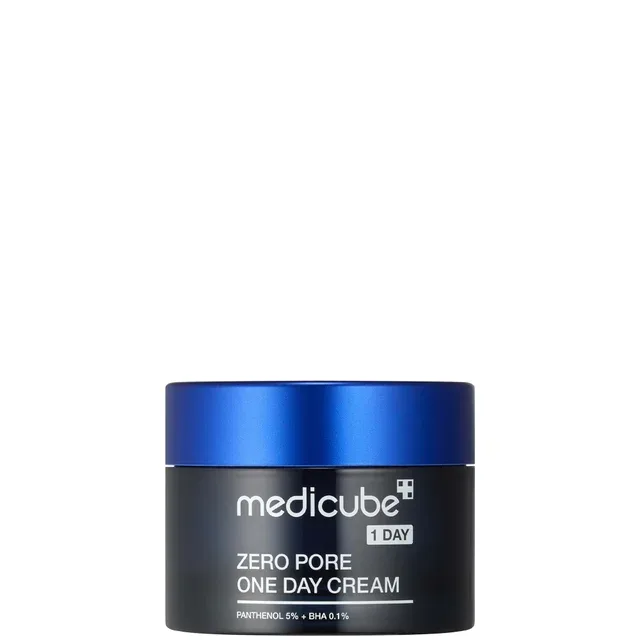
67 of 67 ingredients identified
Informational only — check the packaging and a professional for advice.
Actives combined with exfoliation
This formula pairs active ingredients with exfoliation. Introduce gradually and watch for sensitivity.
Contains fragrance
Fragrance is a common trigger for sensitivity and irritation in reactive skin.
Category breakdown
Emollient · 21Humectant · 13Surfactant · 7Solvent / vehicle · 5Other · 5Fragrance · 5Active · 4Preservative · 3Antioxidant · 2Soothing · 1Exfoliant · 1
Relationships
Works well together
Glycerin + Hyaluronic AcidGlyceryl Tri(2-Ethylhexanoate) + DimethiconeGlyceryl Tri(2-Ethylhexanoate) + SqualaneNiacinamide + Hyaluronic AcidArgania Spinosa Kernel Oil + TocopherolSodium Hyaluronate + NiacinamideSodium Hyaluronate + GlycerinCetearyl Olivate + Sorbitan OlivateAdenosine + NiacinamideAdenosine + Hyaluronic AcidBeta-Glucan + Hyaluronic AcidBeta-Glucan + NiacinamideInulin Lauryl Carbamate + GlycerinMarine Elastin + Hyaluronic AcidMarine Elastin + Collagen
Full ingredient breakdown
2
A gold-standard humectant that draws water into the skin.
10
A versatile vitamin B3 derivative with multiple benefits.
14
An extract from the root of Dioscorea japonica (Japanese wild yam), used in cosmetics for its skin-conditioning and soothing properties.
15
An extract of horse chestnut seeds rich in escin saponins and flavonoids, used in cosmetics for antioxidant protection, soothing redness, and supporting capillary integrity.
16
An extract from the brown seaweed Laminaria japonica (Japanese kelp), rich in polysaccharides and minerals, used for hydration, antioxidant protection, and skin conditioning.
17
An extract specifically from the leaves of Eclipta prostrata (false daisy/bhringraj), rich in antioxidant flavonoids and wedelolactone; distinct from the general Eclipta Prostrata Extract.
18
Undissolved native collagen protein used in cosmetics as a humectant and film-former that conditions the skin surface; distinct from hydrolyzed or soluble collagen forms.
21
The salt form of hyaluronic acid; penetrates more readily.
30
A simple monosaccharide sugar used in cosmetics as a humectant to attract and retain moisture in the skin.
35
A gentle humectant derived from sugar beets.
37
A partial hydrolysate of corn (Zea mays) starch that acts as a film-former and skin-conditioning agent, distinct from the intact starch in its smaller molecular fragments and enhanced skin compatibility.
40
A nucleoside used at low concentrations to help smooth the look of fine lines; a common K-beauty anti-aging active.
42
A polysaccharide humectant that hydrates and calms; often compared to hyaluronic acid.
48
Common table sugar used in cosmetics as a gentle humectant that attracts water to the skin.
52
Short-chain fructose polymers used in cosmetics as humectants and prebiotics to hydrate skin and support a balanced microbiome.
54
A humectant that can hold many times its weight in water.
55
An AHA most often used in small amounts to adjust pH.
57
Undissolved native collagen protein used in cosmetics as a humectant and film-former that conditions the skin surface; distinct from hydrolyzed or soluble collagen forms.
58
Hydrolyzed elastin proteins derived from marine sources (typically fish). Marine elastin forms a conditioning film on skin that temporarily improves its elasticity and suppleness. Used in anti-aging serums.
59
A humectant that can hold many times its weight in water.
60
Vitamin E; a lipid-soluble antioxidant that also conditions skin.