
POLA
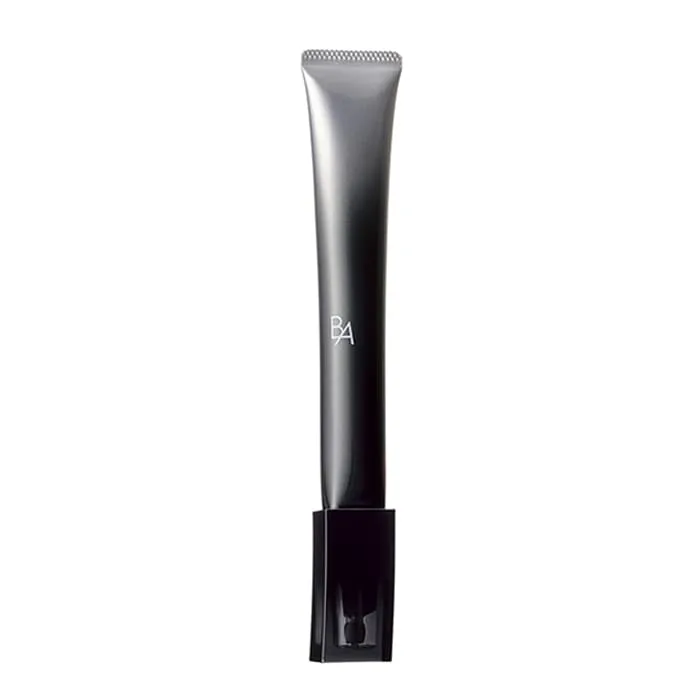
B.A Eye Zone Cream N
This springy cream firms and lifts the delicate eye area, giving skin a noticeably lifted, sculpted look. The light texture glides on effortlessly and layers beautifully under makeup.
41 of 41 ingredients identified
Informational only — check the packaging and a professional for advice.
Category breakdown
Emollient · 10Humectant · 6Other · 6Soothing · 6Antioxidant · 4Solvent / vehicle · 3Preservative · 2Active · 2UV filter · 1Surfactant · 1
Relationships
Works well together
PEG-400 Acrylates/Ammonium Methacrylate Copolymer + GlycerinPEG-32 + GlycerinPEG-32 + Butylene GlycolPEG-6 + PEG-32PEG-6 + GlycerinDipotassium Ursolyl Phosphate + GlycerinDipotassium Ursolyl Phosphate + Butylene GlycolAkebia Trifoliata Stem Extract + Astragalus Sinicus ExtractSodium Dextran Sulfate + Glycerin
Full ingredient breakdown
3
A gold-standard humectant that draws water into the skin.
4
A dimer of glycerin used as a humectant; provides hydration with a slightly richer, more substantive feel than glycerin.
14
A medium-chain polyethylene glycol (MW ~1450 Da) that acts as a humectant, solvent, and consistency agent in lotions and creams. Well-tolerated; used in Japanese toners and emulsions.
19
A mineral UV filter effective against UVB and short UVA.
23
A water-soluble phosphate salt derivative of ursolic acid, a pentacyclic triterpenoid found in rosemary and other botanicals. Developed for improved delivery of ursolic acid's anti-aging and anti-inflammatory benefits.
24
An extract of clove (Eugenia caryophyllus) flowers used in cosmetics for antioxidant and antimicrobial properties; distinct from the distilled essential oil, with a lower volatile eugenol content.
26
An extract from the stems of Akebia trifoliata, a climbing vine used in East Asian traditional medicine. Contains triterpenoid saponins with antioxidant and anti-inflammatory properties for skin conditioning.
28
An extract of arnica flowers used in cosmetics at low concentrations to soothe redness and irritation, with known sensitization risk in those with Compositae plant allergies.
29
An extract from Chrysanthellum indicum, a small daisy-family herb distinct from the chrysanthemum flower. Rich in flavonoids and saponins; provides antioxidant and soothing benefits in luxury cream formulas.
30
A postbiotic ferment used to support the skin microbiome and barrier.
31
Extract from the leaves of Alpinia speciosa (shell ginger / getto), a plant consumed and used medicinally in Okinawa, Japan. Rich in labdane diterpenoids and polyphenols with antioxidant and anti-inflammatory properties. Associated with longevity in Japanese folk medicine.
32
An extract of Astragalus sinicus (Chinese milk vetch), a legume plant used in Japanese traditional medicine (as rengesou). Provides anti-inflammatory, antioxidant, and skin-conditioning benefits in toners and essences.
33
Extract from the root of Sophora angustifolia (narrow-leaved sophora or Ku Shen), used in Traditional Chinese Medicine. Contains matrine and oxymatrine alkaloids with potent anti-inflammatory and soothing effects, used in sensitive skin formulas.
34
An essential amino acid used in cosmetics as a humectant that supports the skin's natural moisturizing factor system.
35
The simplest amino acid, used as a humectant that supports the skin's natural moisturizing factor.
36
Extract from Swertia japonica (Japanese swertia or Japanese gentian). Contains swertiamarin, gentiopicroside, and other iridoid glycosides with soothing and traditional skin-brightening applications.
37
A sulfated dextran polysaccharide sodium salt. Used in cosmetics as a humectant and water-binding polymer.
38
Extract from St. John's wort (Hypericum perforatum). Contains hypericin, hyperforin, flavonoids, and tannins with anti-inflammatory, antioxidant, and soothing properties. Used in European cosmetics for skin calming.
41
A synthetic phenolic antioxidant that prevents oxidation of oils and fats in cosmetic formulas, used at very low concentrations.