
POLA
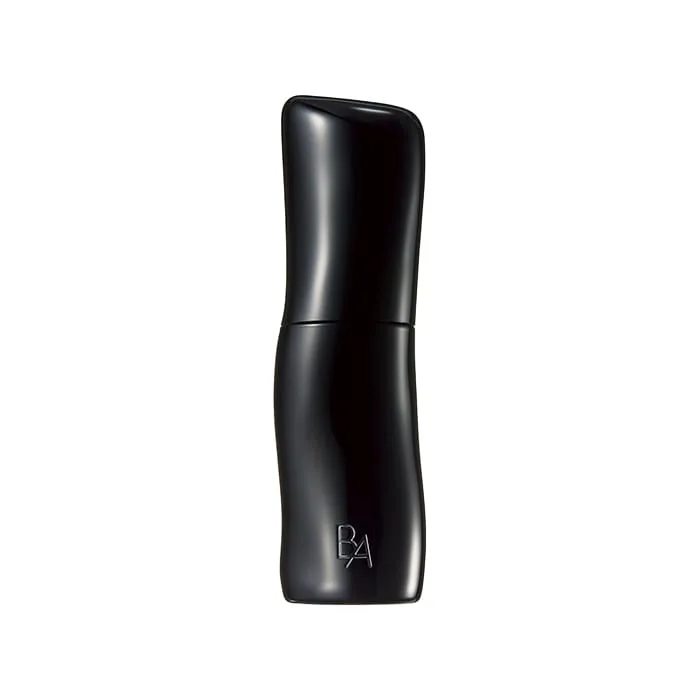
B.A Milk N
This lightweight emulsion delivers a dewy, radiant finish that keeps skin hydrated through the day. The silky texture absorbs quickly without feeling heavy, making it perfect for layering under makeup.
56 of 56 ingredients identified
Informational only — check the packaging and a professional for advice.
Two exfoliating ingredients
Contains Citric Acid, Glycolic Acid. Monitor for irritation, especially if combined with other actives.
Contains fragrance
Fragrance is a common trigger for sensitivity and irritation in reactive skin.
Category breakdown
Emollient · 17Soothing · 9Other · 8Antioxidant · 5Solvent / vehicle · 4Humectant · 4Surfactant · 3Preservative · 2Exfoliant · 2UV filter · 1Fragrance · 1
Relationships
Works well together
Polyglyceryl-2 Tetraoleate + GlycerinGlycine Max (Soybean) Oil + TocopherolDilauroyl Glutamate Lysine Sodium + Hydrogenated LecithinSalvia Officinalis (Sage) Leaf Extract + TocopherolAstragalus Sinicus Extract + Artemisia Princeps Leaf ExtractMajorana Leaf Extract + TocopherolCystoseira Tamariscifolia Extract + TocopherolSennin-Koku Seed Extract + TocopherolSophora Japonica Root Extract + TocopherolZein + GlycerinZein + DimethiconeBeta-Carotene + TocopherolDaucus Carota Sativa (Carrot) Extract + TocopherolDi(Isostearyl/Phytosteryl) Dimer Dilinoleate + Hydrogenated LecithinHydrogenated Rapeseed Oil + GlycerinPolyglyceryl-5 Oleate + GlycerinPolyglyceryl-5 Oleate + Hydrogenated LecithinGlycolic Acid + GlycerinTalc + DimethiconeTalc + Silica
Full ingredient breakdown
2
A gold-standard humectant that draws water into the skin.
6
A dimer of glycerin used as a humectant; provides hydration with a slightly richer, more substantive feel than glycerin.
12
A naturally occurring amino acid that acts as a humectant and supports the skin's own moisture-retention system.
16
Extract from the leaves of Eriobotrya japonica (loquat/Japanese plum). Contains flavonoids (rutin, quercetin), ursolic acid, and tannins that provide antioxidant and soothing benefits. Used in Shiseido's d program acne-care range.
17
An extract of common sage (Salvia officinalis) leaves rich in carnosic acid, rosmarinic acid, and phenolic diterpenes. Used for antioxidant, soothing, and skin-conditioning properties in toners and essences.
18
An extract of Astragalus sinicus (Chinese milk vetch), a legume plant used in Japanese traditional medicine (as rengesou). Provides anti-inflammatory, antioxidant, and skin-conditioning benefits in toners and essences.
19
Extract from the root of Ruscus aculeatus (butcher's broom). Contains steroidal saponins (ruscogenin, neoruscogenin) with vasoconstrictive, anti-inflammatory, and circulatory-supporting properties. Commonly used in eye creams and anti-puffiness formulas.
20
Extract from peppermint leaves. Contains polyphenols, rosmarinic acid, and flavonoids. Different from peppermint essential oil — extract is more water-soluble and gentler. Provides mild cooling and antioxidant benefits.
21
Extract from the leaves of Majorana hortensis (sweet marjoram). Contains rosmarinic acid, ursolic acid, and flavonoids with antioxidant and mild soothing properties.
22
Extract from Cystoseira tamariscifolia, a brown marine algae (rainbow wrack). Contains polyphenolic phlorotannins and sulfated polysaccharides with antioxidant, anti-inflammatory, and skin-conditioning properties.
23
Extract from the seeds of Cassia obtusifolia (sicklepod, known as 'Sennin-koku' in Japanese). Contains emodin, torachryson, and related anthraquinones with antioxidant and soothing activities.
24
An extract from the rhizome of Acorus calamus (sweet flag). Contains beta-asarone, which is restricted by EU Cosmetics Regulation to 0.1 mg/kg in finished products due to genotoxicity concerns. Used in small amounts in Japanese luxury creams.
25
Extract from the root of Sophora japonica (Japanese pagoda tree). Rich in rutin and other flavonoids with antioxidant and soothing properties. Distinct from Sophora angustifolia (Ku Shen) in phytochemical profile.
26
An extract from Japanese mugwort (Artemisia princeps) leaves, known as yomogi in Japan. Rich in flavonoids, chlorogenic acid, and terpenoids; used in Japanese skincare for soothing, antioxidant, and anti-inflammatory properties.
28
A carotenoid pigment found in carrots, algae, and other plants. Functions as an antioxidant and as provitamin A (converts to retinol in the body). In skincare, also used as a colorant and antioxidant booster.
29
Extract from carrot root, rich in carotenoids (beta-carotene), vitamins, and antioxidants. Used for its antioxidant properties and contribution to a healthy skin tone.
30
A sugar alcohol humectant derived from glucose that draws moisture into the skin and improves product texture.
44
Vitamin E; a lipid-soluble antioxidant that also conditions skin.
46
An AHA most often used in small amounts to adjust pH.
48
The smallest AHA; a potent surface exfoliant.
54
A mineral UV filter effective against UVB and short UVA.