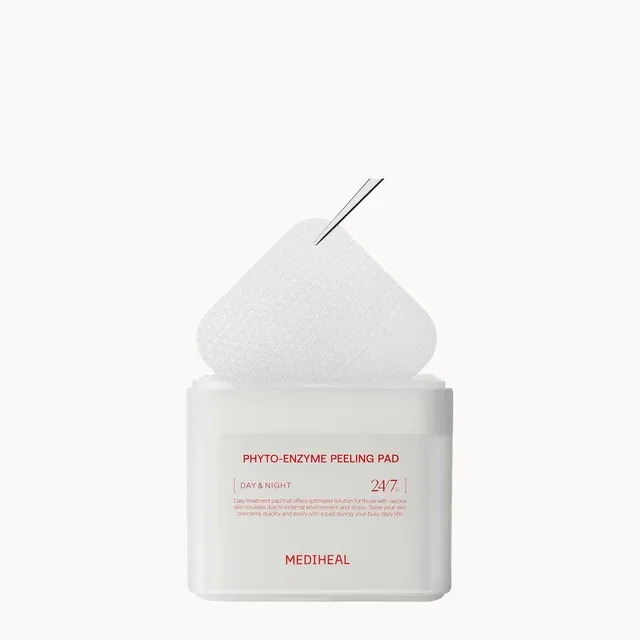
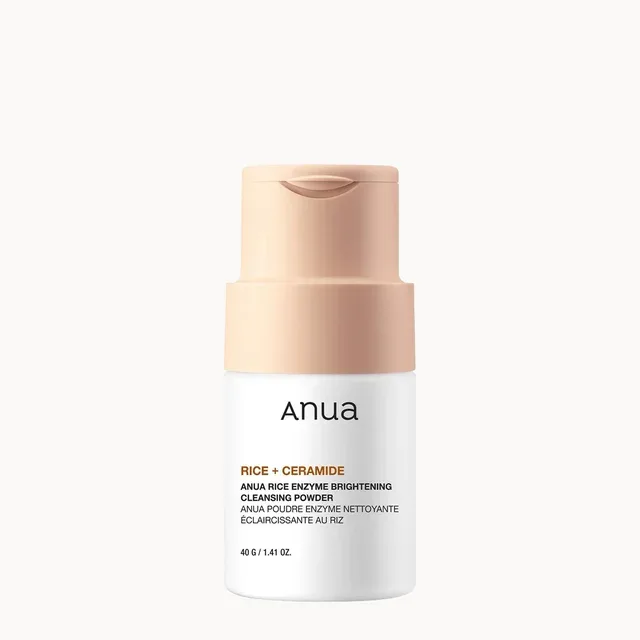
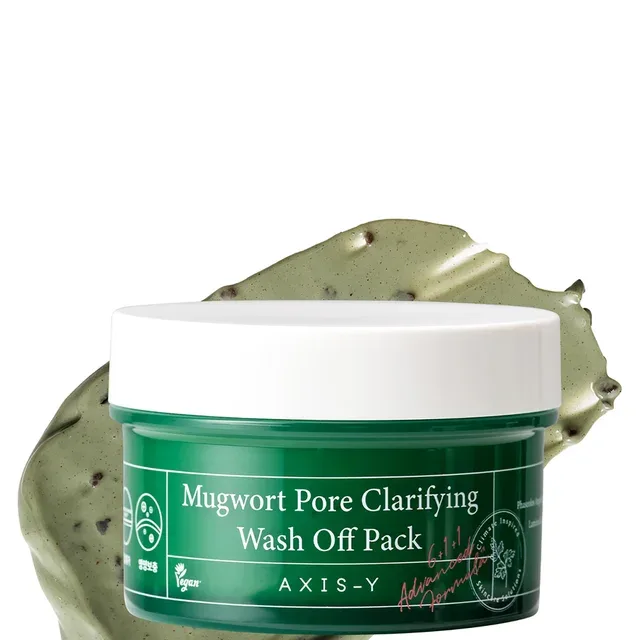
Papain
A cysteine protease enzyme extracted from the papaya fruit (Carica papaya). Used in cosmetics as an enzymatic exfoliant: it cleaves peptide bonds in denatured keratin, dissolving dead skin cell buildup without mechanical abrasion. Produces a smoother, brighter complexion and aids cell turnover. However, papain carries a well-documented sensitization risk — peer-reviewed research confirms it disrupts tight junction proteins and can induce IgE-mediated allergic responses even at low concentrations (1 µg/ml in vitro). Sensitization is partly independent of enzymatic activity, meaning inhibited papain retains allergenic potential. Cross-reactivity with latex and tropical fruits is documented. Avoid on broken, compromised, or sensitized skin. Not appropriate for daily use.
Also known as: papaya enzyme, carica papaya enzyme
Benefits
- ✓Dissolves dead skin cells by breaking down keratin proteins enzymatically
- ✓Smooths and brightens skin texture without abrasion
- ✓Promotes cell turnover and reveals fresher skin
- ✓Unclogs pores by breaking down keratin plugs
- ✓Gentler mechanism than physical exfoliants
Watch for
- ⚠IgE-mediated allergy documented: can sensitize skin even with repeated low-level exposure
- ⚠Degrades tight junction proteins (zonula occludens-1, claudin-4, occludin), impairing skin barrier integrity
- ⚠Sensitization risk is independent of enzymatic activity — the protein structure itself is allergenic
- ⚠Cross-reactivity reported with latex and related fruits (latex-fruit syndrome)
- ⚠Occupational sensitization via inhalation documented
- ⚠Contraindicated on compromised, atopic, or barrier-impaired skin
- ⚠Avoid combining with retinoids, strong acids, or frequent mechanical exfoliation
- ⚠FDA has issued warnings regarding topical papain-containing drug products