
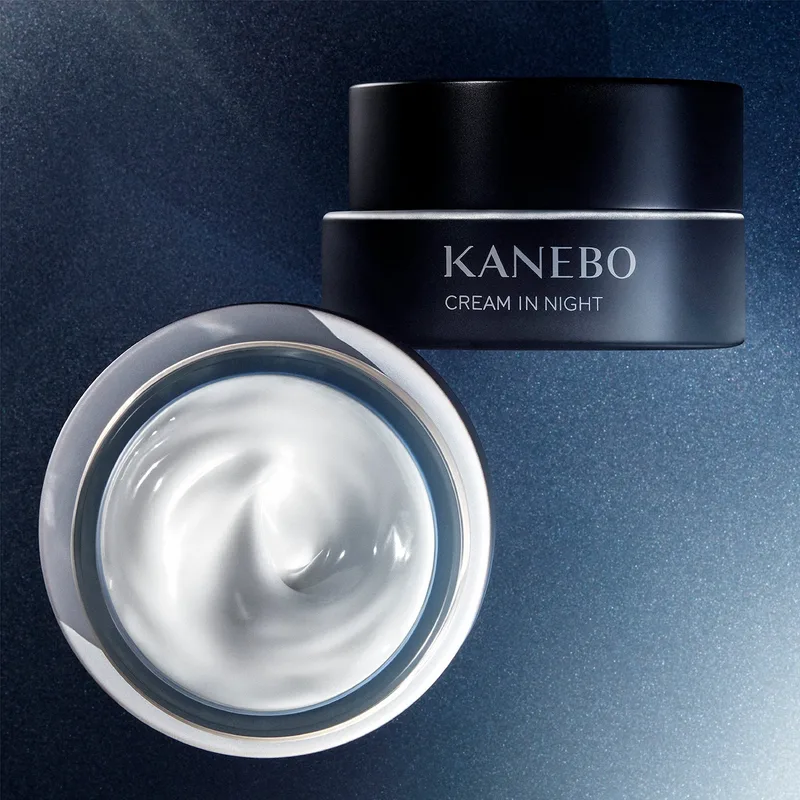
KANEBO
Cream in Night II
Wake up to noticeably plumper, firmer skin. This rich night cream deeply hydrates while you sleep, leaving your complexion soft and supple by morning.
40 of 40 ingredients identified
Informational only — check the packaging and a professional for advice.
Barrier-support ingredients present
Hydrogenated Soybean Phospholipid, Cholesterol, N-Stearoyl Dihydrosphingosine help reinforce the skin barrier.
Contains fragrance
Fragrance is a common trigger for sensitivity and irritation in reactive skin.
Category breakdown
Emollient · 12Humectant · 6Other · 5Solvent / vehicle · 4Active · 3Barrier support · 3Soothing · 2Antioxidant · 2Preservative · 2Fragrance · 1
Relationships
Works well together
Triisostearin + DimethiconeTriisostearin + Cetearyl AlcoholTriisostearin + SqualaneOlea Europaea (Olive) Fruit Oil + TocopherolBranched Fatty Acid (C10-40) Cholesterol Esters + CholesterolBranched Fatty Acid (C10-40) Cholesterol Esters + SqualaneN-Stearoyl Dihydrosphingosine + CholesterolAlgae Extract + NiacinamidePicea Abies Extract + TocopherolPicea Abies Extract + NiacinamideN-Methyl-L-Serine + GlycerinZingiber Officinale (Ginger) Root Extract + TocopherolZingiber Officinale (Ginger) Root Extract + NiacinamideN-Amidino-L-Proline + Glycerin
Full ingredient breakdown
1
A versatile vitamin B3 derivative with multiple benefits.
4
A sugar alcohol derived from maltose that functions as a humectant to draw water into the skin and improve texture.
7
A gold-standard humectant that draws water into the skin.
15
A hydrogenated form of soybean-derived phospholipids. Hydrogenation improves oxidative stability while maintaining structural similarity to skin lipids. Used as an emulsifier and barrier-supporting ingredient in premium formulations.
17
A key barrier lipid that works synergistically with ceramides.
19
A synthetic ceramide analogue — the N-stearoyl amide of dihydrosphingosine. Structurally similar to natural ceramide 2 (Ceramide NS). Directly integrates into the intercellular lipid matrix of the stratum corneum, strengthening the skin barrier. Used in premium Japanese skincare brands.
20
A general term for extract derived from algae (seaweed). May come from red, brown, or green algae species. Contains polysaccharides (alginate, fucoidan, carrageenan), vitamins, and minerals. Used for its hydrating, antioxidant, and skin-conditioning properties.
21
Leaf extract of Rubus suavissimus (sweet tea or Chinese sweet tea), used in cosmetics for its soothing and antioxidant polyphenol content.
22
Extract from Picea abies (Norway spruce) buds or meristem cells. Rich in polyphenols, flavonoids, and stilbenes. Meristem cell cultures contain concentrated growth factors and antioxidants associated with skin renewal and anti-aging.
23
Vitamin E; a lipid-soluble antioxidant that also conditions skin.
24
An extract from the root of Sanguisorba officinalis (great burnet), rich in ellagitannins, gallic acid, and flavonoids. Provides antioxidant, soothing, and astringent benefits in luxury creams.
25
A methylated derivative of the amino acid L-serine. Functions as a humectant and skin-conditioning agent, helping attract and retain water in the skin.
26
A gingerol-rich ginger root extract that delivers antioxidants and soothes skin.
28
A polysaccharide derived from tuberose (Polianthes tuberosa). Functions as a humectant and film-former, providing intense moisturization and a silky skin feel. Used in premium Kanebo formulations.
29
A guanidine-modified proline amino acid derivative. Functions as a humectant in skincare formulations. Found in Kanebo premium skincare.
31
A plant-derived sugar alcohol that hydrates skin and supports its moisture barrier.